Wedding signage sets the tone before a single note of music plays. Guests walk up to a welcome sign and immediately feel something elegance, warmth, romance, or playful energy. That feeling doesn't happen by accident. It comes from intentional design choices, and one of the most effective approaches couples and wedding designers use is layered chalkboard typography. Mixing font styles on a chalkboard surface creates depth, hierarchy, and personality that a single font simply cannot achieve.
What does layered chalkboard typography actually mean?
Layered chalkboard typography is the practice of combining two or more font styles on a chalkboard surface to create visual contrast and hierarchy. Instead of writing everything in one typeface, you pair a flowing script with a structured serif or a bold sans-serif. Each layer serves a different purpose one font draws attention to key words like the couple's names, while another handles supporting text like dates, locations, or directions.
The "layered" part refers to how these fonts work together visually. A large calligraphic script might sit as the hero layer, with a smaller condensed font stacked below or around it. The chalkboard background adds a tactile, handmade quality that digital prints can't replicate. This combination of intentional font pairing and the organic texture of chalk is what makes wedding signage feel personal and crafted.
Why does this style work so well for weddings?
Weddings need signage that communicates quickly while still feeling beautiful. A welcome sign at the entrance, a bar menu, table numbers, seating charts each piece has to be readable from different distances and angles. Layered typography solves a real problem here. The script font grabs attention from far away, while the secondary font delivers details up close.
Chalkboard surfaces also photograph well. The matte black background makes white and pastel chalk tones pop in photos, which matters because couples invest significantly in wedding photography. Well-paired fonts on chalkboard give photographers rich visual texture to work with during detail shots.
The handcrafted feel of chalkboard signage also fits naturally with popular wedding themes rustic barn receptions, garden parties, vintage-inspired celebrations, and boho-chic events. Even modern minimalist weddings can use chalkboard signs effectively when the font pairing follows a clean, minimal approach.
Which font combinations actually work on chalkboard?
Not every font looks good with chalk texture, and not every pairing creates the right mood. Here are combinations that wedding designers and signage artists use repeatedly because they hold up in real conditions:
Romantic Script + Clean Sans-Serif
Pair Great Vibes with Raleway. The script carries the couple's names or a romantic phrase in large scale, while Raleway handles dates and venue details in a clean, legible style. This works well for welcome signs, ceremony backdrops, and photo booth props.
Classic Serif + Delicate Script
Use Playfair Display for headings like "Cocktail Hour" or "Dinner Menu" paired with Sacramento for accents and smaller details. The serif gives structure and readability, while the script adds softness. This combination suits formal and semi-formal wedding settings.
Bold Display + Simple Sans-Serif
Combine Bebas Neue with Montserrat for a more contemporary feel. Bebas Neue works in all caps for key headings, while Montserrat in regular weight handles body text. This pairing fits modern, urban wedding venues or couples who want a less traditional look on their chalkboard signage.
Decorative Script + Traditional Serif
Pinyon Script paired with Cinzel creates an elegant, almost regal feel. Pinyon Script has long, sweeping strokes that look stunning at larger sizes, while Cinzel's Roman-inspired letterforms give the supporting text a timeless quality. This combination works beautifully for black-tie weddings and formal dinner signage.
How do you create proper visual layers on a chalkboard?
Layering fonts on chalkboard is different from designing on a screen. The chalk medium introduces limitations line thickness, smudging, and the physical size of the board all matter. Here's how to build effective layers:
Establish a dominant font first. Choose the font that will carry the most important word or phrase. This should be the largest, most decorative element. On a welcome sign, that's the couple's names. On a bar menu, it's "Drinks" or "Cheers."
Use size contrast aggressively. Your hero font should be at least two to three times larger than your secondary font. On a 24×36 inch chalkboard, that might mean the script names are 4–5 inches tall while body text sits at 1.5 inches.
Weight matters more than style. A bold weight paired with a light weight creates clearer hierarchy than two fonts in similar weights, even if they're different styles. If both fonts feel visually "heavy," the board looks crowded.
Leave breathing room between layers. White space on chalkboard signage is just as important as the lettering itself. Crowded text becomes unreadable from a distance, which defeats the purpose of having a sign at all.
Use consistent chalk color for unity. Traditional white chalk on black board works best for formal events. Colored chalk accents can highlight specific words but should be used sparingly one accent color per sign is usually enough.
What are the most common mistakes with chalkboard font pairing?
After working with or studying chalkboard wedding signage, certain errors come up over and over:
Using two script fonts together. Two scripts compete with each other. They have similar flow and energy, so the eye has no clear place to land. One script plus one structured font almost always works better.
Choosing fonts that are too thin. Delicate, hairline-thin fonts disappear on chalkboard. Chalk naturally creates soft, slightly thick strokes. Fonts that depend on ultra-thin lines get lost and become hard to read.
Ignoring legibility at distance. A sign might look perfect when you're standing three feet away, but most wedding guests read signage from six to ten feet. If the secondary font can't be read at that distance, it's too small or too ornate.
Overcrowding the layout. Cramming too much information onto one board makes everything hard to read. If a sign needs to convey a lot of detail like a seating chart with 20 tables use a larger board or split the information across multiple signs.
Not practicing the layout first. Chalk is less forgiving than digital design. Sketching the layout on paper at actual size, or doing a rough chalk sketch in the corner of the board before committing, prevents wasted time and materials.
How do you pair fonts for different types of wedding signs?
Different signs serve different purposes, so the font pairing approach shifts depending on the sign's function:
Welcome Signs and Ceremony Backdrops
These are read from a distance and photographed frequently. Use a bold, expressive script as the primary font paired with a highly legible sans-serif or serif. Keep text minimal names, date, and a short phrase at most. The visual impact matters more than the information density here.
Bar Menus and Food Signs
Guests read these up close. You can use slightly more detailed pairings. A condensed serif for item names paired with a light sans-serif for descriptions works well. Consider adding small decorative elements like hand-drawn flourishes or chalk illustrations between text blocks.
Seating Charts and Directional Signs
Readability is everything here. A clean sans-serif like Josefin Sans for names paired with a subtle decorative script for section headers keeps things organized. Avoid overly ornate fonts guests need to find their names quickly.
Photo Booth and Hashtag Signs
These can be playful. A bold, casual display font for the hashtag or fun phrase, paired with a rounded sans-serif for instructions, adds personality without sacrificing clarity. These signs also tend to be smaller, so font pairing needs to work at reduced sizes.
Should you hand-letter or use vinyl stencils?
This depends on your budget, timeline, and skill level. Both approaches can produce beautiful results, but they work differently with layered typography:
Hand-lettering allows for organic variation in letter size, spacing, and weight. This variation is part of the charm. However, it requires a skilled calligrapher and takes more time. Complex font pairings are harder to execute freehand because consistency matters for the secondary font.
Vinyl stencils and transfers give clean, consistent lettering. You can design the layout digitally using exact fonts, print a stencil, and apply chalk through it. This works especially well for the structured sans-serif or serif layer, while the script layer can still be hand-lettered for a mixed approach.
Chalk markers offer more opacity and control than traditional chalk. They work for both hand-lettered and stenciled approaches and hold up better throughout the event without smudging.
How do you plan the layout before touching the chalkboard?
Planning prevents the most frustrating part of chalkboard work having to erase and redo. Here's a planning process that works:
Measure your board and work to scale on paper. If your board is 24×36 inches, draw a rectangle at that ratio on a regular sheet and sketch the layout inside it.
Print test text at actual size. Type out the words in your chosen fonts and print them at the size they'll appear on the board. Hold the printout at the distance guests will read from. If it's not legible, adjust the size or font weight.
Mark guidelines on the board with faint chalk. Light horizontal lines keep your text straight. These lines can be gently erased after the lettering is complete.
Start with the primary font. Letter the hero words first, then build the secondary text around them. This ensures the most important element is positioned well, and everything else supports it.
Step back frequently. What looks right up close might be too cramped or too spaced out from ten feet away. Step back at least every few lines to check the overall composition.
You don't need a lot of expensive tools to get started with chalkboard wedding signage. The basics include:
A quality chalkboard surface either a pre-made board or chalkboard paint on wood, acrylic, or foam core
Traditional chalk in white plus one or two accent colors
Chalk markers for cleaner lines and better durability
A ruler or straight edge for guidelines
A soft cloth or chalkboard eraser for corrections
A pencil and scratch paper for layout planning
Printed reference sheets of your chosen fonts at the sizes you'll use
Quick checklist for pairing fonts on wedding chalkboard signage
Choose one script font and one structured serif or sans-serif never two scripts together
Make the hero font at least twice the size of the supporting font
Test legibility at the distance guests will actually read from
Sketch the full layout on paper before touching the board
Use chalk guidelines to keep text aligned
Leave generous white space between text blocks
Limit accent chalk colors to one per sign
Practice difficult letterforms on a spare board or paper first
Consider mixing hand-lettered scripts with stenciled secondary fonts for consistency
Photograph your finished sign from the guest's perspective to check readability
Start by picking one font pair from the examples above, sketch a simple welcome sign layout on paper, and test it. Once you see how the two fonts interact on a real board at the right size, the rest of your wedding signage becomes much easier to plan and execute.
 Chalkboard Font Pairing Ideas for Stunning Menu Boards
 Modern Minimal Chalkboard Font Pairing Guide for Social Media Graphics
 Rustic Vintage Chalkboard Font Duos for Stunning Restaurant Chalk Art
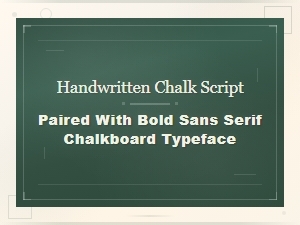 Handwritten Chalk Script and Bold Sans Serif Chalkboard Typeface Pairing Guide
 Best Handwritten Chalk Fonts for School Bulletin Boards and Classroom Displays
 Vintage Chalkboard Typography Fonts for Cozy Reading Corners